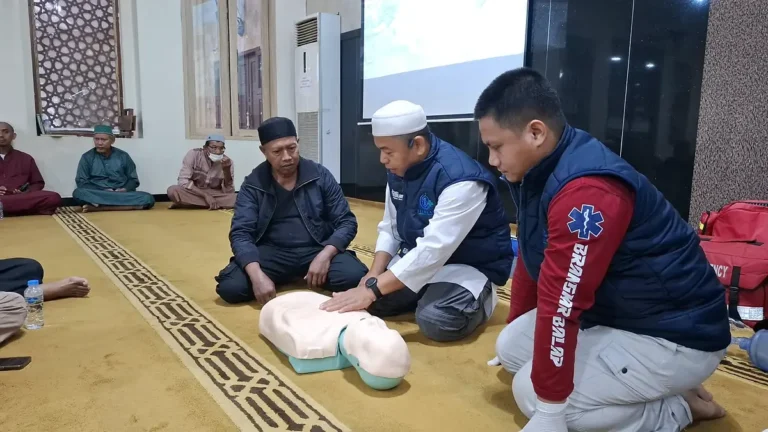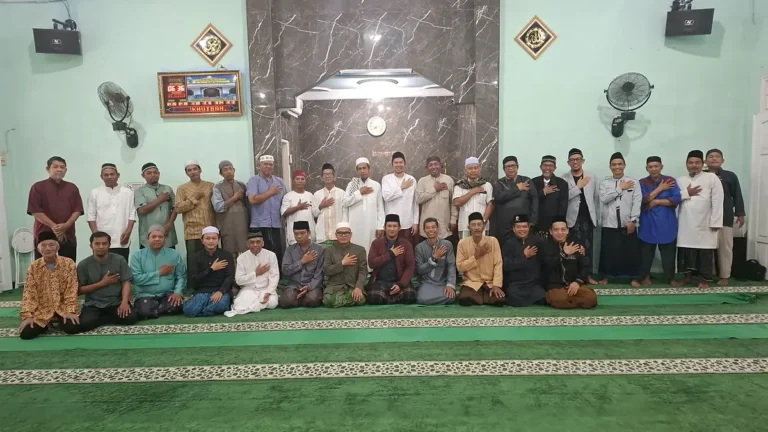
Mosques exist to serve worshippers. Organizers therefore need to know the people living nearby, understand their needs, and give them opportunities to express their views.
Masjid Assalam uses visits and congregational surveys as part of the MAMPU–S3 approach. This helps organizers plan relevant activities and build closer community relationships.
Beginning with a Smile, a Greeting of Peace, and a Friendly Welcome
S3 can also refer to Senyum, Salam, dan Sapa: smiling, offering greetings of peace, and acknowledging others warmly. Simple as these habits may seem, they are a first step towards a friendly and open mosque.
People arriving at the mosque should feel welcome and valued. Friendly organizers can help worshippers feel comfortable attending prayers, joining activities, and discussing their needs or difficulties.
Smiles and greetings also reduce the distance between organizers and worshippers. The mosque becomes both a place of worship and a community meeting place grounded in fellowship.
Getting to Know Worshippers through Visits
Organizers should not simply wait for people to come to the mosque. They need to visit worshippers, communicate with local people, and learn about the surrounding neighbourhood.
Through these relationships, organizers can understand people’s backgrounds, abilities, interests, and needs. Some may need social assistance, religious guidance, children’s activities, youth development opportunities, or ways to participate in mosque programs.
Visits also help organizers discover the congregation’s potential. People’s skills, experience, and networks can support the mosque’s progress.
Surveys as a Foundation for Program Planning
Mosque programs should respond to real needs. Congregational surveys are one way to identify them.
Surveys can use printed forms, digital forms, brief interviews, or conversations after mosque activities. They need not contain many questions, but should provide useful information.
Possible topics include:
- Mosque activities that worshippers need.
- Suitable times for participating.
- Programs for children and teenagers.
- Family guidance needs.
- Services for older people and people with disabilities.
- Social programs and economic empowerment.
- Interest in volunteering.
- Suggestions for improving comfort at the mosque.
Survey findings should be recorded and discussed together. They provide organizers with a stronger basis for setting priorities.
Congregational Consultation
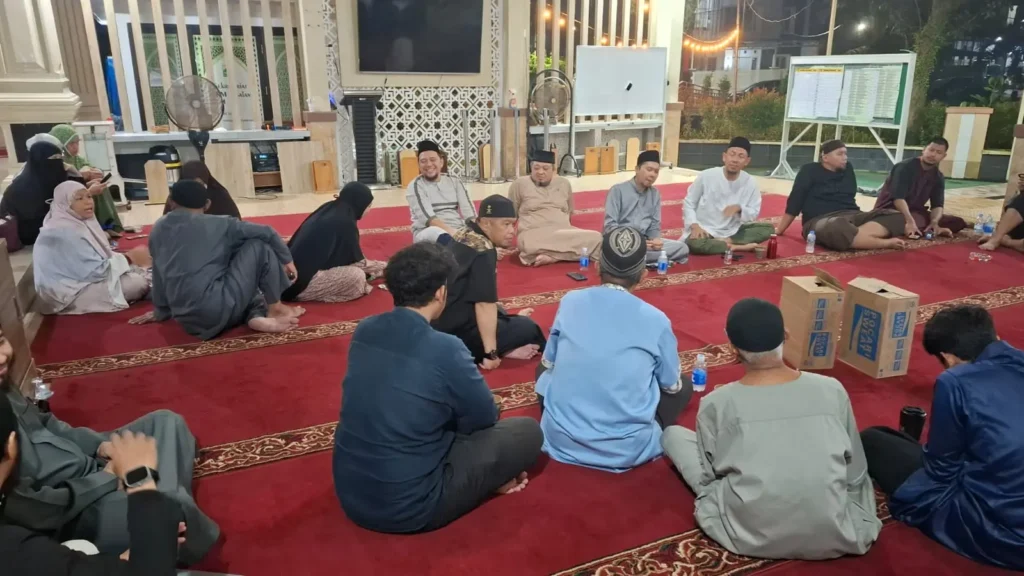
Alongside surveys, Masjid Assalam holds a congregational consultation once a year. It brings organizers and worshippers together to discuss progress and future programs.
Consultation gives worshippers opportunities to share suggestions, criticism, and hopes directly. Organizers can explain completed programs, challenges, and development plans.
This openness helps build trust and strengthen relationships between worshippers and organizers.
Developing a Sense of Ownership
When worshippers are involved in planning and implementation, they feel part of the mosque. This sense of ownership can encourage attendance, care for facilities, program support, and contributions to the community.
Worshippers can be involved through activities such as:
- Collective consultation and discussion.
- Community work around the mosque.
- Religious event committees.
- Social programs and community services.
- Children’s and youth activities.
- Collecting and distributing donations.
- Maintaining mosque facilities.
Worshippers are more than service recipients. They are an essential part of the mosque’s journey and development.
Programs Based on Congregational Needs
Visits, surveys, and consultation help organizers avoid planning on assumptions alone. Activities can be designed with the circumstances of local people in mind.
If many worshippers need Qur’an guidance, the mosque can offer recitation-improvement or thematic study classes. If children and teenagers are not active, organizers can provide activities suited to their interests. If people need assistance, the mosque can strengthen social services and empowerment.
This approach gives programs clear aims and a better chance of gaining congregational support.
A Mosque Close to Its Congregation
A thriving mosque grows from good relationships between organizers and worshippers. These relationships are built through friendliness, communication, openness, and a willingness to listen.
Through smiles, greetings, visits, surveys, and congregational consultation, Masjid Assalam seeks to offer programs that meet community needs. This is part of becoming a mosque that unites people and helps address their challenges.