Good mosque programs are engaging and respond to worshippers’ needs. Planning should therefore begin with learning, visits, surveys, and consultation with the congregation.
In the MAMPU–S3 approach, program planning follows study visits and learning about congregational circumstances. The information gathered is then used to identify activities that offer the greatest benefits and can be sustained.
Programs Start with Congregational Needs
Every neighbourhood has different characteristics and needs. A program that succeeds at one mosque may not work in the same way elsewhere.
Organizers need to consider worshippers’ ages, work, interests, abilities, and challenges. This understanding helps them plan better-targeted programs.
If people need Qur’an guidance, the mosque can offer recitation-improvement or interpretation classes. If teenagers are not active, it can offer sports, training, or social activities. If worshippers face economic difficulties, it can strengthen social services and empowerment.
Programs based on real needs are more likely to be welcomed and supported.
Engaging Islamic Outreach Programs
Religious study remains an important mosque activity. To reach more worshippers, its themes and presentation should reflect community needs.
Masjid Assalam develops outreach activities such as:
- Qur’an interpretation, Islamic jurisprudence, and recitation-improvement classes.
- Study sessions for children and teenagers.
- Family and household study sessions.
- Overnight spiritual retreats and Islamic development activities.
- Large religious gatherings with nationally known speakers.
- Study sessions that discuss differences in a spirit of Muslim unity.
Study activities can also include shared meals. Alongside providing hospitality, these create a warm atmosphere and strengthen relationships among worshippers.
The Prophet Muhammad, peace be upon him, said:
“O people, spread greetings of peace, feed others, maintain family ties, and pray at night while people sleep; you will enter Paradise in peace.” (Reported by Ibn Majah.)
The spirit of feeding others and strengthening relationships is one foundation for a welcoming mosque closely connected to society.
Activities That Involve Different Groups
Mosques need to make room for all parts of the congregation. Programs should involve children, teenagers, families, business owners, and the general public, as well as adult worshippers.
Activities developed by Masjid Assalam include:
- Futsal competitions for local residents.
- Overnight spiritual activities.
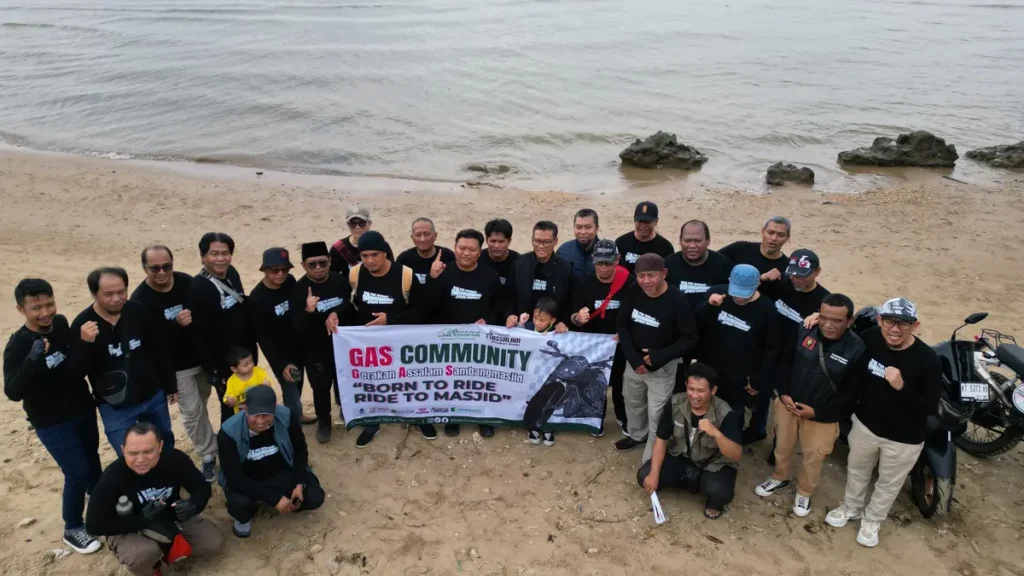
- Community work with worshippers.
- Regular donor programs.
- Tent and chair lending services.
- Skills training.
- The Sedekah Subuh dawn-charity program.
- Food distribution after Friday prayers.
- Children’s and youth activities.
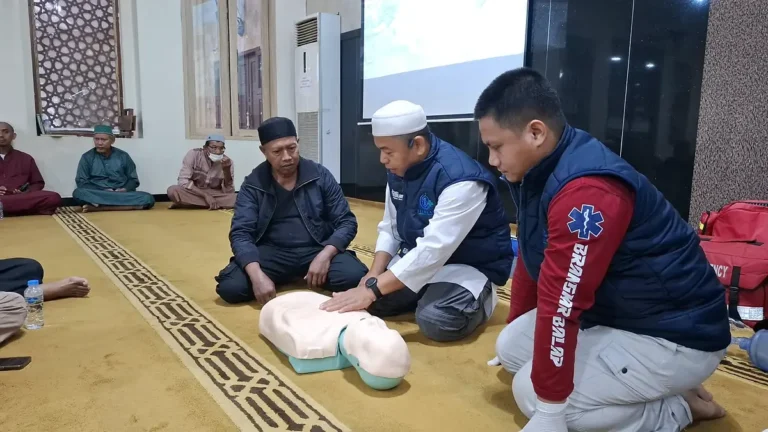
- Ambulance services.
- Large religious gatherings and an Islamic Fair.
Varied activities help the mosque reach people with different interests and needs. They also give worshippers more opportunities to contribute according to their abilities.
Starting with Feasible Programs
Organizers do not have to run many programs simultaneously. They can begin with simple activities that are most needed and suited to the mosque’s capacity.
The priority is to give each program clear aims, a responsible coordinator, a schedule, and identified resources. After implementation, organizers should evaluate its benefits and limitations.
Successful programs can continue or expand. Less effective programs can be improved using congregational feedback.
The Importance of Activity Registration
Mosque activities should include participant registration or record-keeping. This helps organizers understand who attends and which programs attract the most interest.
Records can cover participants in:
- Study sessions and seminars.
- Training.
- Overnight spiritual retreats and i‘tikaf.
- Community economic programs.
- Qurbani programs.
- Sports activities.
- Regular donor programs.
- Congregational and neighbourhood communication groups.
Masjid Assalam has developed a database covering approximately 3,000 worshippers from different activities. This supports communication and the development of services better suited to congregational needs.
Congregational information must be managed carefully and used for mosque services. Organizers also need to protect the security and confidentiality of personal information provided.
Evaluation as Part of Every Program
An activity’s conclusion does not mean the organizers’ work is finished. Every program should be evaluated for attendance, benefits, spending, and implementation challenges.
Evaluation can take place through management meetings, feedback forms, or direct communication with worshippers.
The findings help determine whether a program should continue, improve, expand, or be replaced by a more suitable activity.
Creating a Beneficial Mosque
Mosque programs are more than a schedule of events. Each should bring worshippers closer to Allah, strengthen fellowship, and help address community challenges.
Through learning, surveys, planning, record-keeping, and evaluation, Masjid Assalam seeks to provide useful activities for different parts of society.
These efforts are part of its journey towards becoming a mosque that unites people and helps address community needs.