A thriving mosque is distinguished not only by a well-maintained building, but also by congregational participation and the benefits experienced by society.
People feel connected to a mosque when their needs are considered and their presence is valued. Masjid Assalam therefore uses two important approaches to bring people closer to the mosque: service and congregational empowerment.
Understanding Community Needs
Worshippers have different needs and circumstances. They may need a comfortable place to worship, religious guidance, family activities, social assistance, space for activities, or opportunities to contribute.
Organizers need to understand these needs before planning programs. They can do so through visits, surveys, direct conversations, records, and congregational consultations.
Groups whose needs deserve attention include:
- Older people.
- Young parents.
- Children.
- Teenagers and young adults.
- People with disabilities.
- Worshippers who are unwell.
- Families with limited means.
- Business owners and professionals.
By understanding each group, the mosque can offer more appropriate and equitable services.
Services That Make Worshippers Comfortable
Congregational service aims to create an atmosphere in which people enjoy spending time, interacting, and taking part in activities at the mosque.
Service begins with simple things: friendly organizers, clean rooms, well-maintained toilets, comfortable ablution facilities, drinking water, and accessible activity information.
Organizers also need to consider the quality of the sound system, lighting, air conditioning, carpets, parking, and site security.
Well-maintained facilities show consideration for worshippers. Comfort can help them worship attentively and participate more actively.
Inclusive Worship Services
Mosques should make access easier for people with physical limitations due to age, health conditions, or disability.
This can include:
- Chairs for worshippers who have difficulty standing.
- Safe access for wheelchair users.
- Handrails at entrances or ablution areas.
- Prayer areas that older people can reach easily.
- Accessible toilets for people with disabilities.
- Staff or volunteers ready to assist worshippers.
Such measures enable more people to continue attending congregational prayers comfortably.
A Child-Friendly Mosque
Children are part of the congregation and the mosque’s future generation. They need kind guidance so that their experiences at the mosque are positive.
Mosques can provide suitable areas for children and involve youth volunteers in accompanying them. After prayers, children can be guided in remembrance of Allah or simple learning activities.
When children are noisy, organizers and worshippers should remind them patiently. Excessively harsh responses may frighten them and discourage them from returning.
Small gifts for children who attend congregational prayers regularly can also provide appreciation and encouragement.
Social Services for Worshippers
Mosques can assist the community through social programs suited to local needs and available resources.
Examples include:
- Monthly rice assistance.
- Essential-food package distribution.
- Help with repairing worshippers’ homes.
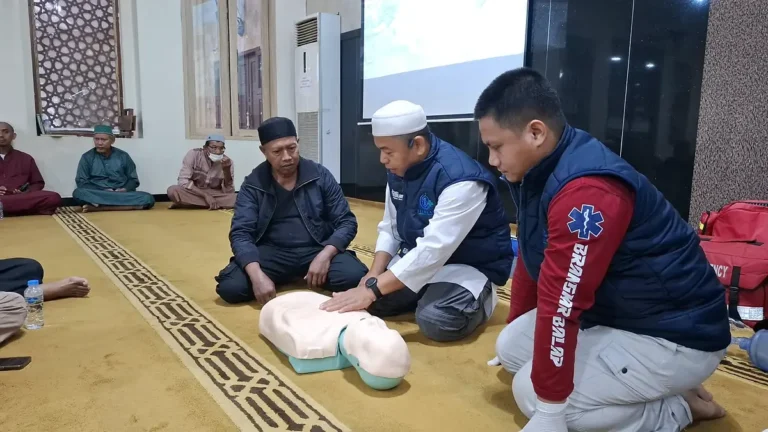
- Healthcare services.
- Pre-dawn meal assistance during Ramadan.
- Qurbani meat distribution.
- Ambulance services.
- Assistance for worshippers facing emergencies.
These services make the mosque present in people’s lives, particularly during difficult times.
Creating an Enjoyable Atmosphere
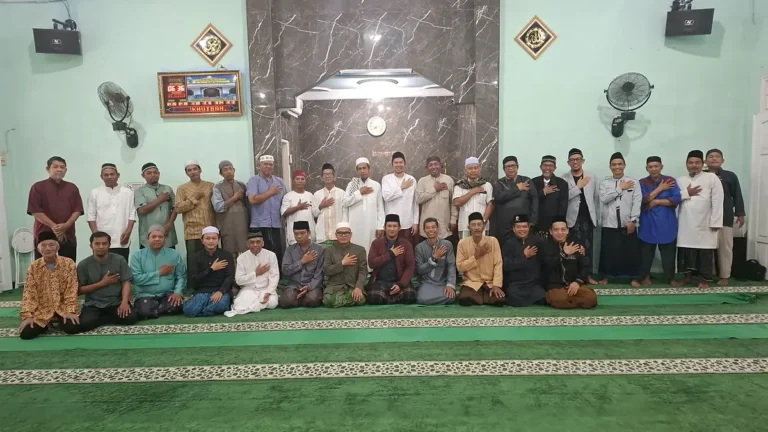
Fellowship is also part of service. Mosques can organize activities that people enjoy and that allow them to get to know one another.
Masjid Assalam develops shared activities such as meals after dawn prayers, food distribution after Friday prayers, iftar refreshments during Ramadan, congregational outings, and family gatherings.
These activities offer more than food or recreation. They create opportunities to strengthen relationships, build fellowship, and understand the congregation’s circumstances.
From Service to Empowerment
Service helps meet people’s needs. Empowerment gives them opportunities to participate and develop their abilities.
Worshippers are more than beneficiaries. They can become volunteers, program organizers, speakers, product suppliers, specialists, or activity partners.
Empowerment can include:
- Using products and services provided by worshippers.
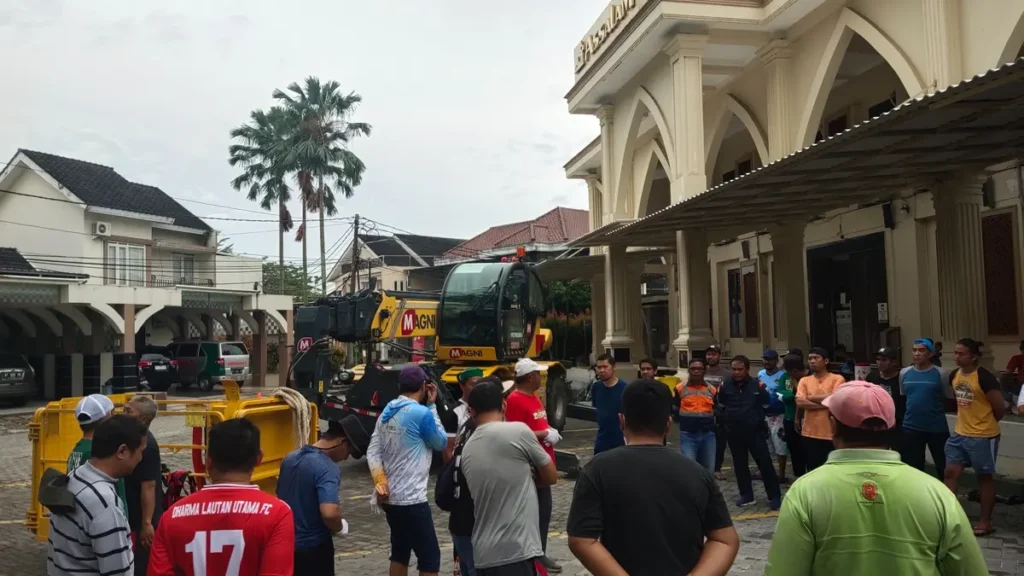
- Involving congregational groups in preparing activities.
- Recognizing worshippers’ achievements.
- Creating communities around shared interests and expertise.
- Giving young people room to manage programs.
- Involving worshippers in planning and evaluation.
- Helping market products made by congregational businesses.
Such involvement encourages a sense of ownership and responsibility towards the mosque.
Developing Congregational Communities
Worshippers have diverse interests. The mosque can support those interests through communities grounded in fellowship and beneficial values.
Groups can focus on sport, Arabic, entrepreneurship, social work, education, automotive interests, or family activities.
These communities provide an entry point for people who are not yet active in mosque life. As relationships grow, members can gradually be introduced to worship, religious learning, and social programs.
Appreciating Congregational Contributions
Appreciation is an important part of empowerment. People who give their time, effort, expertise, or support deserve recognition.
Recognition does not always need to be material. Thanks, acknowledgement, certificates, or opportunities to join future activities can mean a great deal.
When people feel their contributions are valued, they are more likely to continue participating.
A Mosque That Is Close to People and Beneficial
Service and empowerment should go together. Service helps worshippers feel cared for; empowerment helps them feel needed.
Together, these approaches help a mosque become a comfortable place of worship, a community meeting place, and a centre for activities with tangible benefits.
Masjid Assalam continues to create a welcoming environment for all worshippers and broad opportunities to participate. This is part of its effort to become a mosque that unites the community and helps address its needs.