Mosques play an important role in community life. Alongside worship, they can serve as centres for Islamic outreach, education, social services, fellowship, and economic empowerment.
However, not every mosque management team has access to training and guidance. Some organizers are highly motivated but struggle to identify a starting point, plan programs, build teamwork, or develop funding sources.
To help meet these needs, Masjid Assalam runs the SMART Masjid Assalam program.
Sharing Experience from Mosque to Mosque
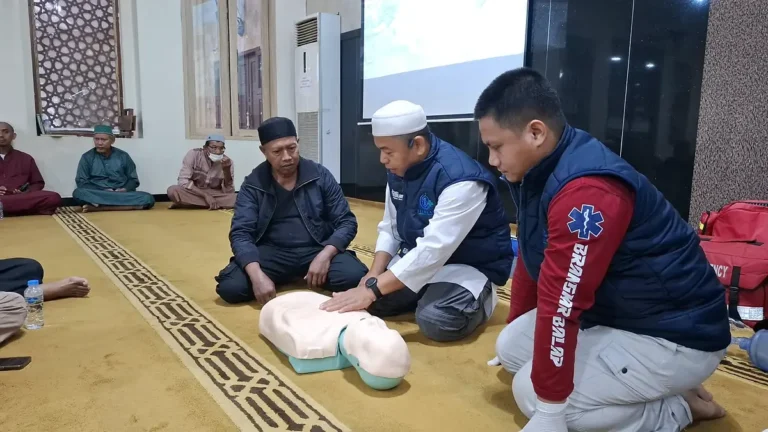
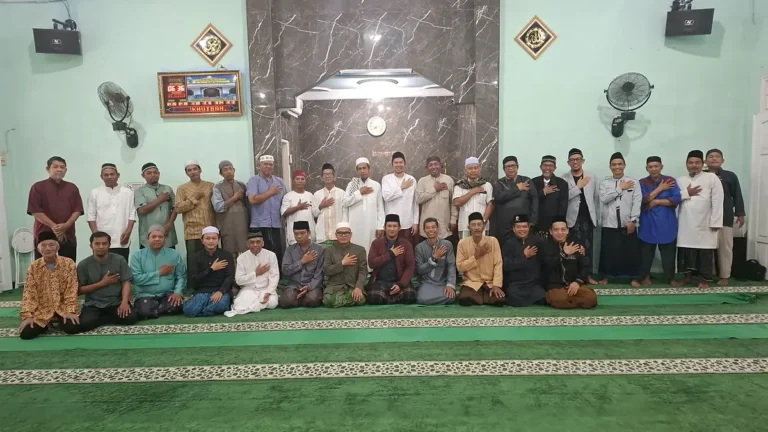
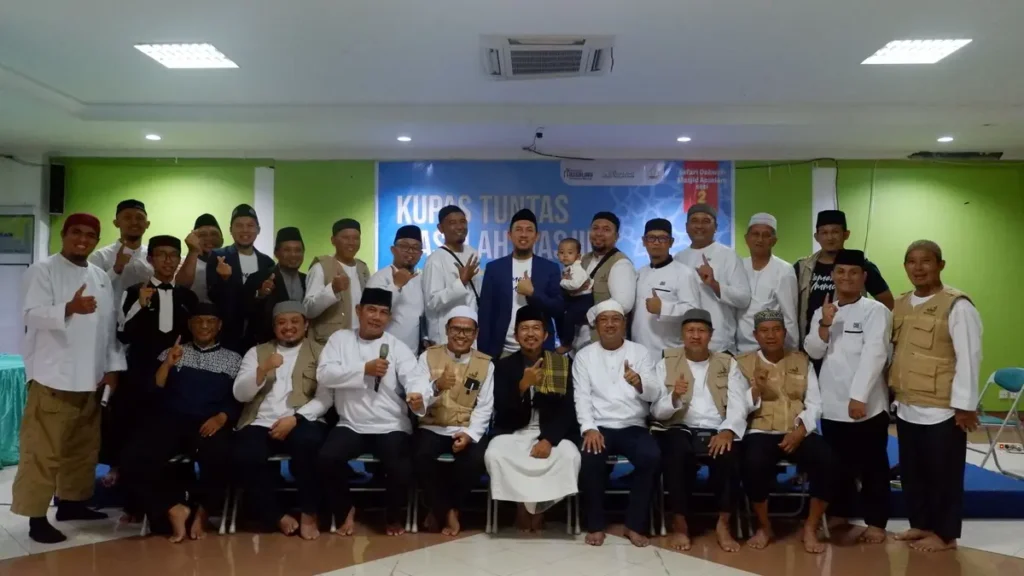
SMART is Masjid Assalam’s program of visits, training, and mosque management guidance. It reaches organizers of mosques, prayer rooms, Islamic boarding schools, and community groups in both urban areas and places far from city centres.
Through the program, Masjid Assalam shares experience in Islamic outreach, congregational services, social activities, record-keeping, and mosque-based economic development.
The material comes from Masjid Assalam’s practical management experience. Participants receive not only theory but examples of implementation, challenges encountered, and approaches they can adapt to their own mosques.
Free Training and Guidance
Masjid Assalam provides training and guidance through SMART free of charge.
This commitment reflects a desire to share benefits with organizers of mosques and prayer rooms that want to develop. Limited funds should not prevent them from learning and improving management quality.
Masjid Assalam believes useful knowledge and experience should be shared so that more mosques can provide excellent community services.
Discussing Real Management Challenges
Every mosque faces different challenges. SMART therefore provides discussion and question-and-answer opportunities alongside presentations.
Common challenges include:
- Organizers do not know where to begin developing their mosque.
- Programs have been planned but no one is implementing them.
- Organizers have differing visions and priorities.
- The mosque has limited funds.
- Congregational attendance remains low.
- Programs do not yet meet community needs.
- Young people are not involved in mosque activities.
- The mosque has no congregational records.
- Organizers have not found mentors or learning opportunities.
Discussions help participants identify underlying problems and plan realistic steps. Each mosque can set priorities according to its team’s capacity and the needs of local people.
Mosque Management Topics
SMART guidance covers important aspects of management, including:
- Aligning organizers’ vision and perspectives.
- Study visits and learning.
- Visits and congregational needs surveys.
- Mosque program planning.
- Assigning tasks and responsibilities.
- Services for worshippers.
- Recording activity participants.
- Fund management and reporting.
- Involving children and young people.
- Developing social programs.
- Mosque-based economic empowerment.
- Regular activity evaluation.
The material aims to help organizers turn knowledge into programs they can implement.
Increasing Congregational Attendance
One of SMART’s aims is to help organizers bring more people to the mosque. This involves improving services and planning activities that meet community needs.
A mosque should be friendly, clean, comfortable, and open to everyone. Organizers also need to know their congregation and understand the needs of children, teenagers, families, older people, people with limited means, and people with disabilities.
When worshippers feel valued and involved, their connection to the mosque can grow naturally.
Strengthening Giving and Congregational Trust
Growth in charitable contributions depends on more than appeals for donations. Trust grows when organizers demonstrate good governance, transparent reporting, and programs with tangible benefits.
SMART encourages organizers to manage funds responsibly and with clear direction. Funds raised should support Islamic outreach, education, social services, congregational care, facility maintenance, and empowerment.
When worshippers see program benefits directly, their support and participation can increase.
Encouraging Mosque Business Development
SMART also opens discussion of community economic development. Mosques can identify congregational potential and select businesses suited to local circumstances.
Mosque businesses should develop gradually, be managed by competent people, and keep separate financial records. Their proceeds can support mosque independence and extend benefits to society.
Economic development does not have to begin with substantial capital. Organizers can start with simple needs found within the congregation.
Building Networks and Collaboration
SMART strengthens relationships between Masjid Assalam and other mosques, prayer rooms, Islamic boarding schools, Islamic organizations, and communities.
These ties can develop into cooperation in Islamic outreach, education, social work, and economic empowerment. Each institution brings experience and potential that can complement the others.
Working together allows benefits to reach a wider community.
From the Mosque to the Community
SMART is more than a visiting program. It is part of Masjid Assalam’s effort to develop organizers who are willing to learn, share a vision, and deliver programs that worshippers need.
Masjid Assalam hopes its shared experience will help mosques and prayer rooms develop according to their potential. Although their size and resources vary, every mosque can make a substantial contribution.
This is the continuing spirit of SMART: strengthening management, helping mosques thrive, empowering worshippers, and offering practical community solutions.