Good mosque management begins with organizers who keep learning, remain open to change, and work towards a shared vision. Commitment needs to be supported by knowledge, communication, and focused coordination so that programs run well.
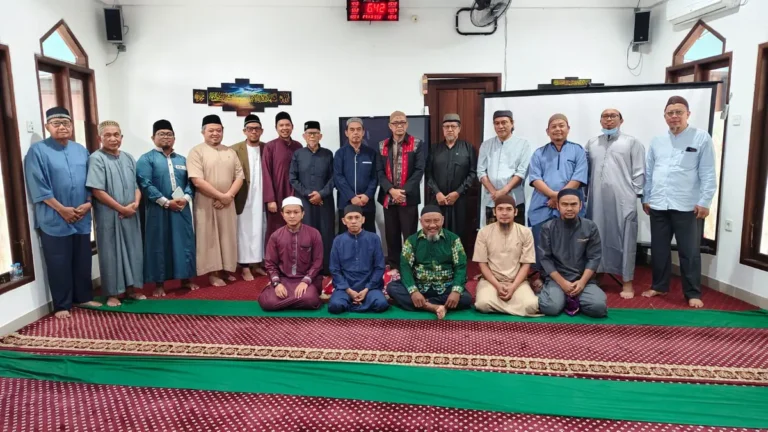
At Masjid Assalam, learning, study visits, and regular management meetings form an important part of developing services with wider benefits for worshippers and society.
Learning from Other Mosques
Every mosque has different circumstances, potential, and challenges. Nevertheless, good practices elsewhere can be studied and adapted to local needs.
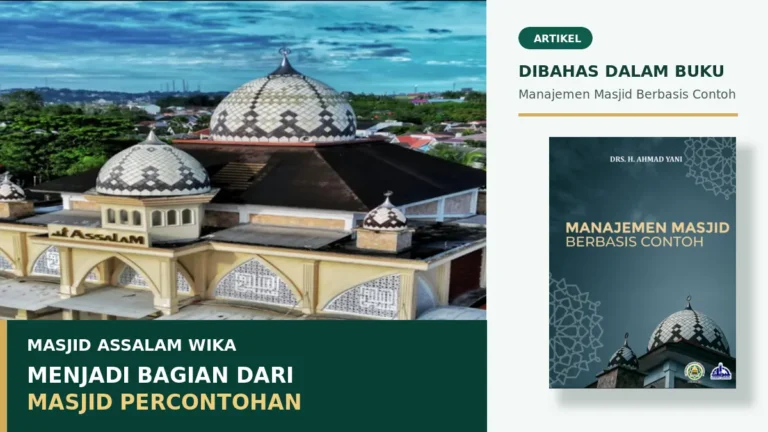
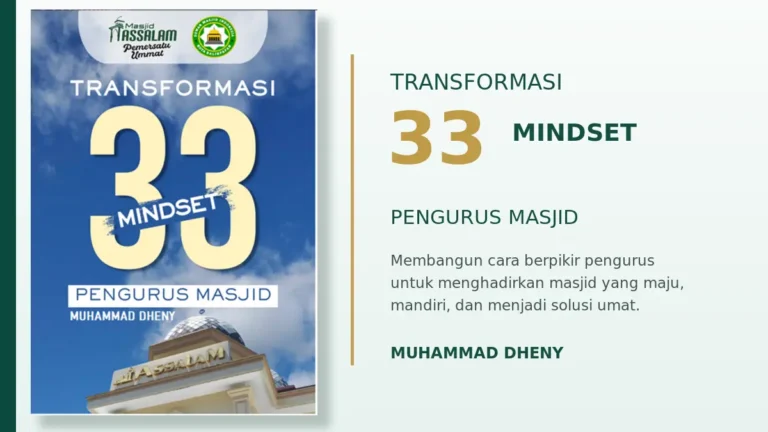
Organizers can learn through mosque management training, books, social media information, discussions with experienced people, and visits to other mosques.
Study visits are more than copying successful programs. Organizers need to understand how those programs work, their aims, and their implementation. They can then adapt ideas to their team’s capacity and local circumstances.
Areas to learn about include:
- Working systems and assignment of duties.
- Program planning and implementation.
- Congregational services.
- Financial and administrative management.
- Records of congregational needs.
- Involvement of children and young people.
- Social programs and community economic development.
The learning should then be discussed collectively and turned into programs suited to the mosque’s needs.
Aligning the Organizers’ Vision
Differences in perspective are a common management challenge. Disagreement is natural, but should be addressed through consultation so that it does not hinder services.
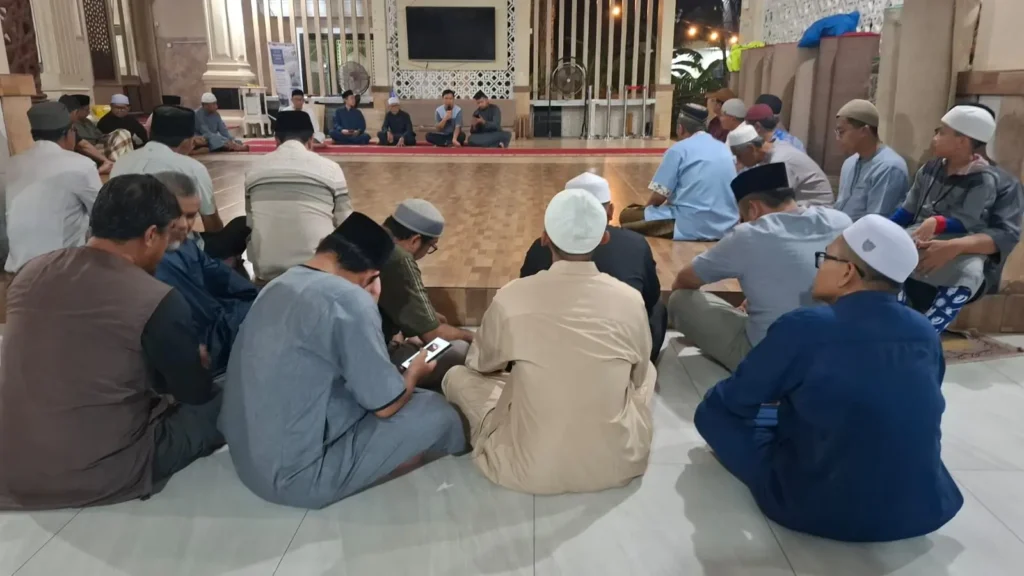
At Masjid Assalam, management meetings are an important part of governance. Regular meetings maintain communication, strengthen coordination, evaluate activities, and keep programs aligned with their aims.
These meetings allow organizers to share views, discuss obstacles, set priorities, and find solutions together. They also help everyone understand their responsibilities.
At Least 52 Meetings a Year
Masjid Assalam’s organizers meet at least 52 times a year: an average of at least once each week.
This frequency reflects their commitment to managing the mosque. Numerous programs and congregational needs require consistent communication. Without good coordination, planned programs are difficult to sustain.
Regular meetings also allow problems to be discussed promptly. Organizers do not have to wait for difficulties to grow before seeking solutions.
Meetings Are More than a Formality
Management meetings should not take place only when problems arise. Every meeting provides space to evaluate ongoing activities and prepare future programs.
Topics can include:
- Program and service evaluation.
- Planning upcoming activities.
- Assigning tasks and responsibilities.
- Allocating funds according to program needs.
- Maintaining facilities and inventory.
- Congregational feedback, complaints, and needs.
- Involving volunteers and young people.
Decisions should specify assigned tasks, responsible coordinators, and clear implementation targets. This helps turn meeting outcomes into action rather than leaving them as plans.
Turning Knowledge into Programs
Learning and study visits become useful when their lessons are applied. Organizers can begin with simple changes that worshippers need most.
These may include cleaner facilities, better service, congregational records, accessible facilities for older people and people with disabilities, or activities involving children and young people.
Programs do not all need to begin simultaneously. Organizers can select priorities, implement them well, and evaluate them before developing further activities.
This approach helps the mosque grow with direction, according to its management capacity and community needs.
Building the Mosque Together
A mosque’s vitality depends on more than its building and facilities. It also depends on organizers’ commitment to learning, teamwork, and excellent service.
Study visits offer new perspectives. Regular meetings align vision and sustain implementation. When both are undertaken seriously, the mosque can develop as a centre of worship, fellowship, service, and empowerment.
These are the first steps Masjid Assalam continues to take towards becoming a mosque that unites the community and helps address its needs.